White Sands ATS-3
Group exhibition
Clémentine Bruno, Parker Ito, Christophe de Rohan Chabot
Baleno International, Rome
1 December 2023—27 January 2024
Group exhibition
Clémentine Bruno, Parker Ito, Christophe de Rohan Chabot
Baleno International, Rome
1 December 2023—27 January 2024
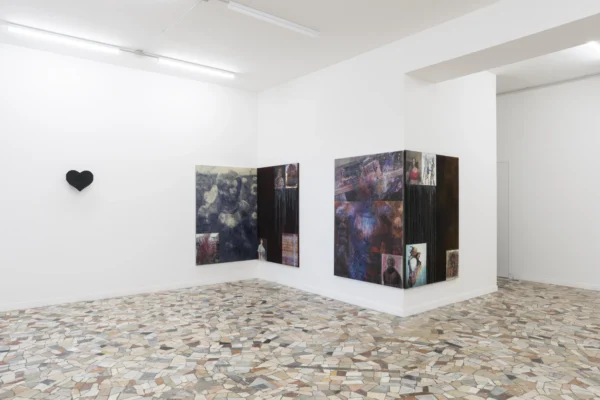
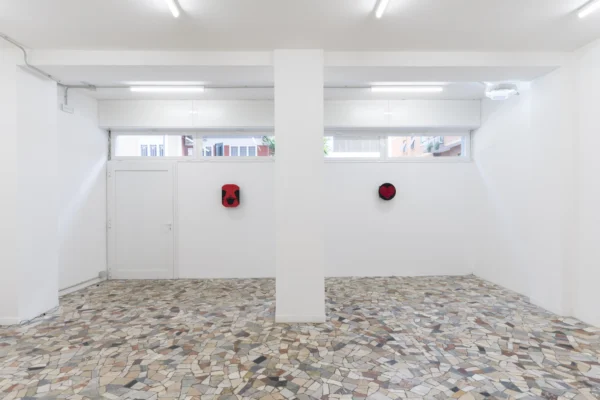
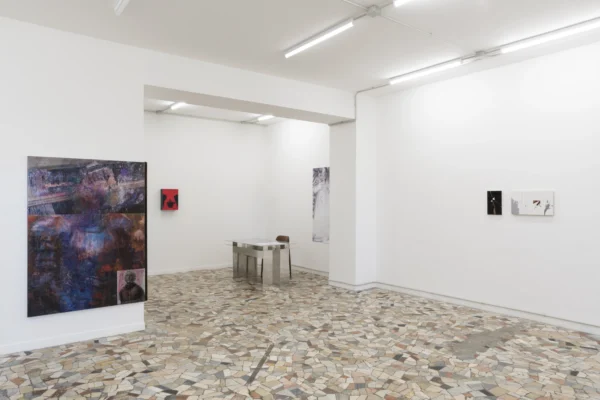
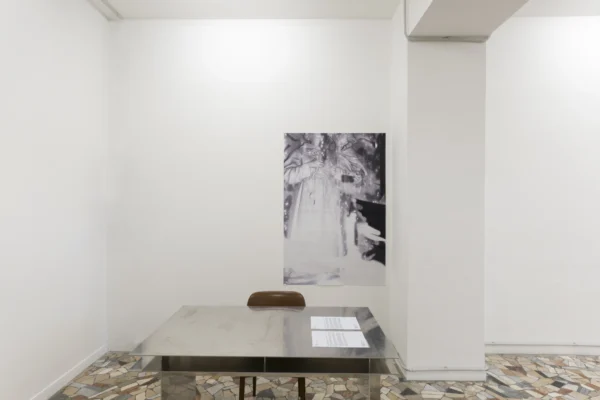
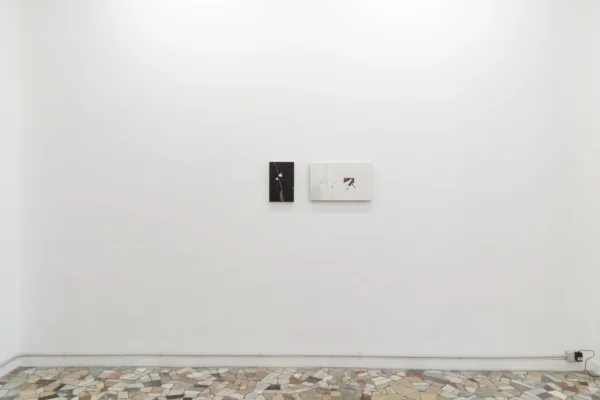
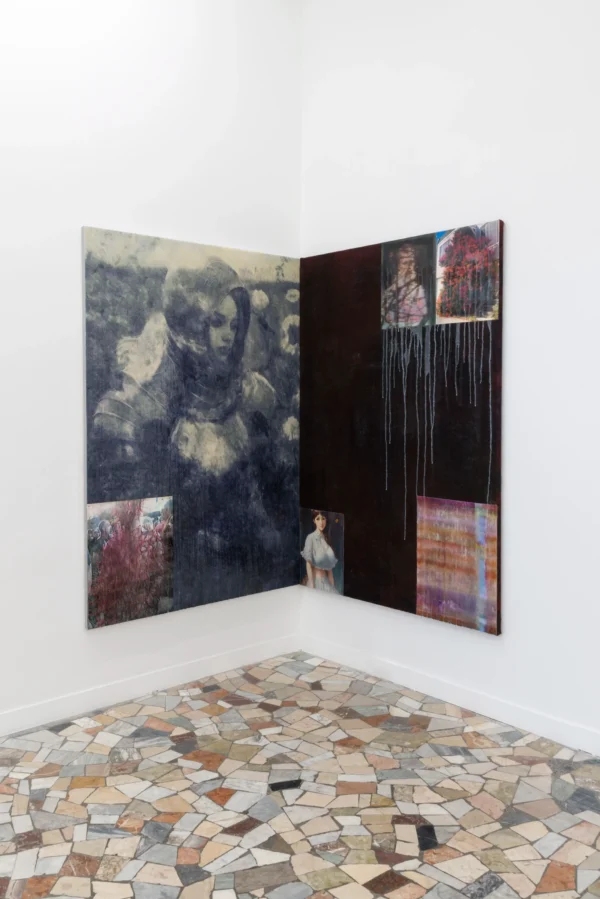
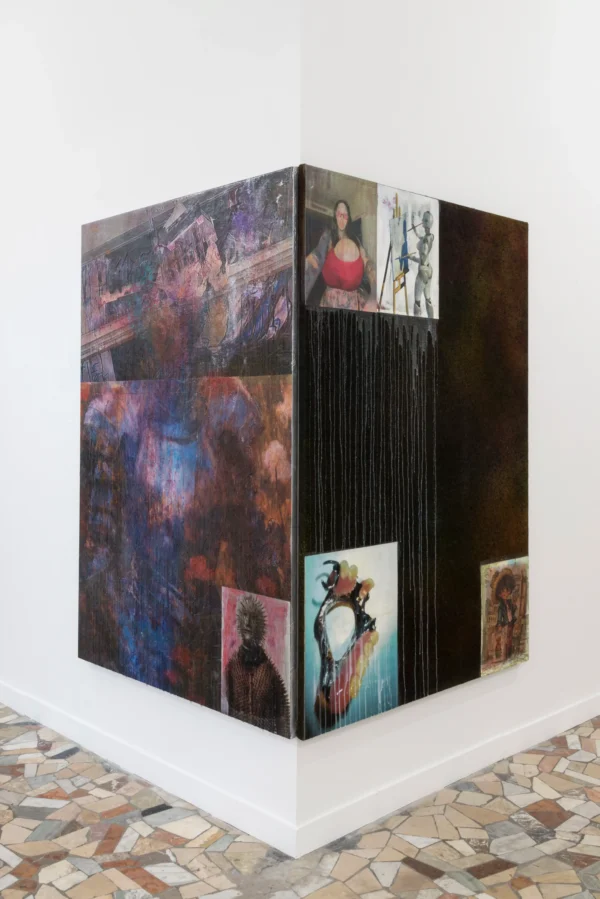
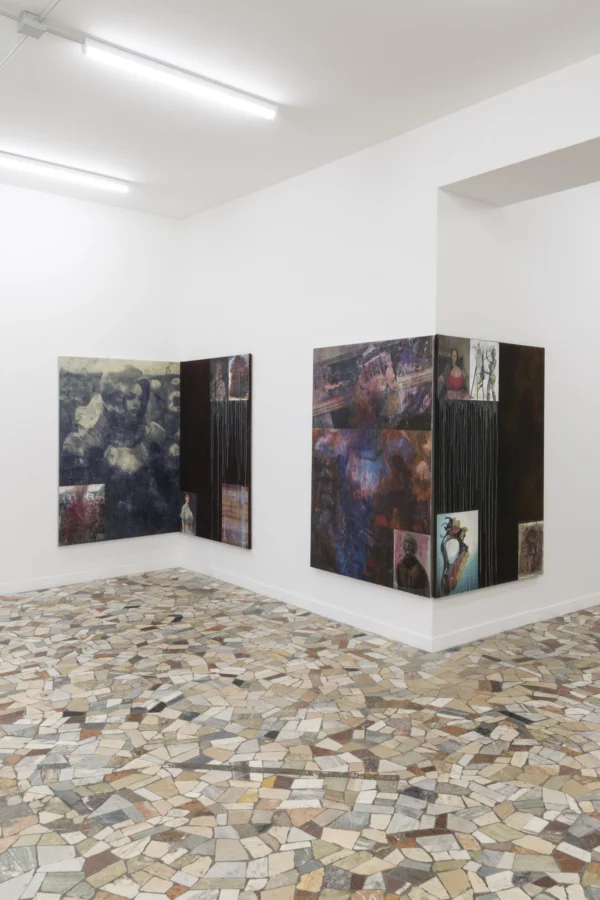
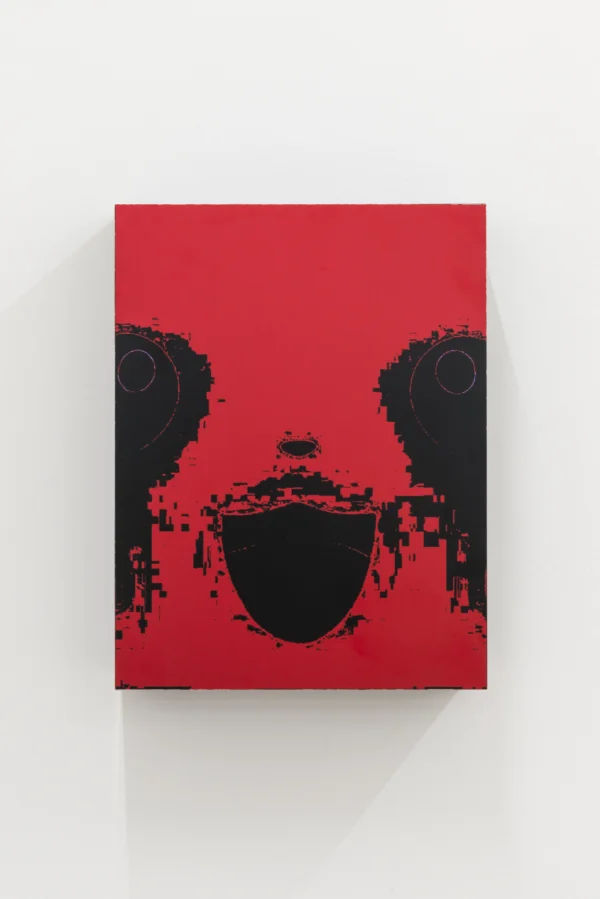
White Sands ATS-3 is a group exhibition bringing together new works by three international artists, Clémentine Bruno, Parker Ito, and Christophe de Rohan Chabot, as well as a collaboration with artist Will Sheridan. Curated by Caroline Drevait and Estelle Marois, the project emerges from researches into figures of incompleteness, and explorations of the interplay between notions of desire, distance, and consumption.
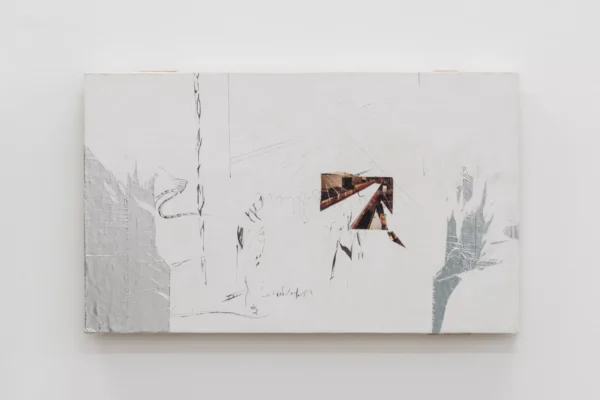
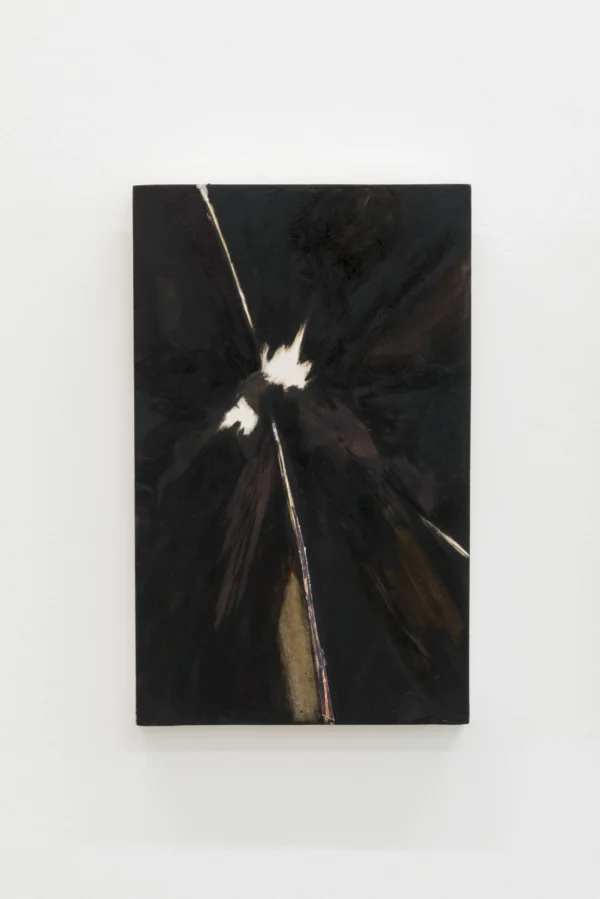
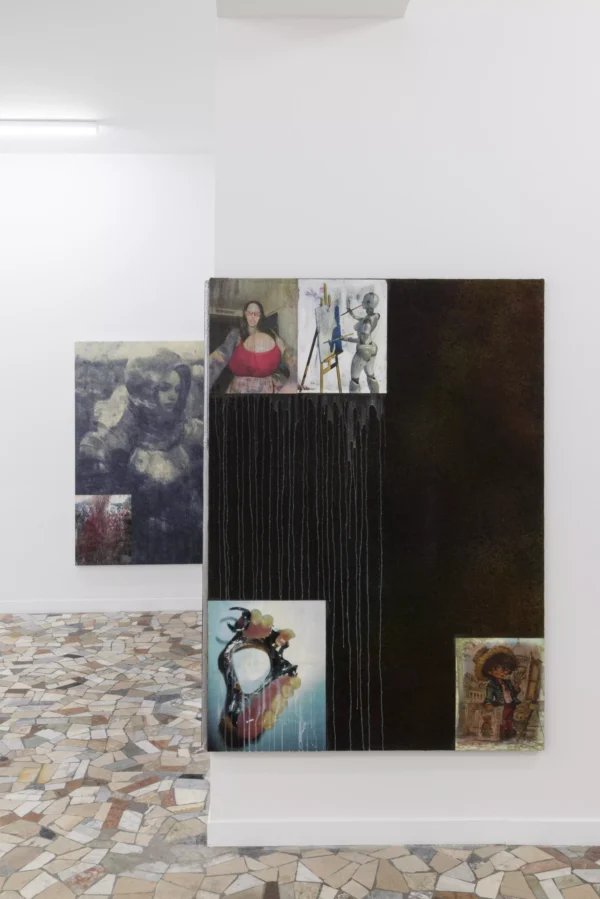
Comprising paintings, sculptures, prints, and photography, the artworks in White Sands ATS-3 reference both canonical art history and digital cultures, questioning their own relationship—whether it be reverential, affective, ambiguous, slippery, or fragmentary—to such references. The selected artworks lay bare the embedding and workings of desire within contemporary imagery; and, interrogating the distinction between original and copy, and the notion of ownership, they activate the power of images to transcend representation.
White Sands ATS-3 is part of an exhibition-based research project looking into scopic regimes, concepts of erasures and resurfacing, and the determination of desire. As an initial investigation, the group exhibition not before it has forgotten you took place at The Pole Gallery, Paris and Nicoletti, London (2022). White Sands ATS-3 expanded to examine figures of incompleteness and impermanence, as visual and/or physical markers of the tension between possession and frustration that characterises desire. The inspiration for White Sands ATS-3 draws from diverse sources: the structuring figure of the gnomon, in James Joyce’s Dubliners (1914), as a diagramme of incompleteness, whose missing part alludes to the whole; Architecture without Walls (2016), edited by Alex Arteaga and Boris Hassenstein, examining non-visual, sensual and emotional approaches to the environment; architectures of power and domination materialised by domes and spheres; as well as the first photographs of the whole earth that gave its name and covers to Stewart Brand’s landmark Catalog (1968-1972).

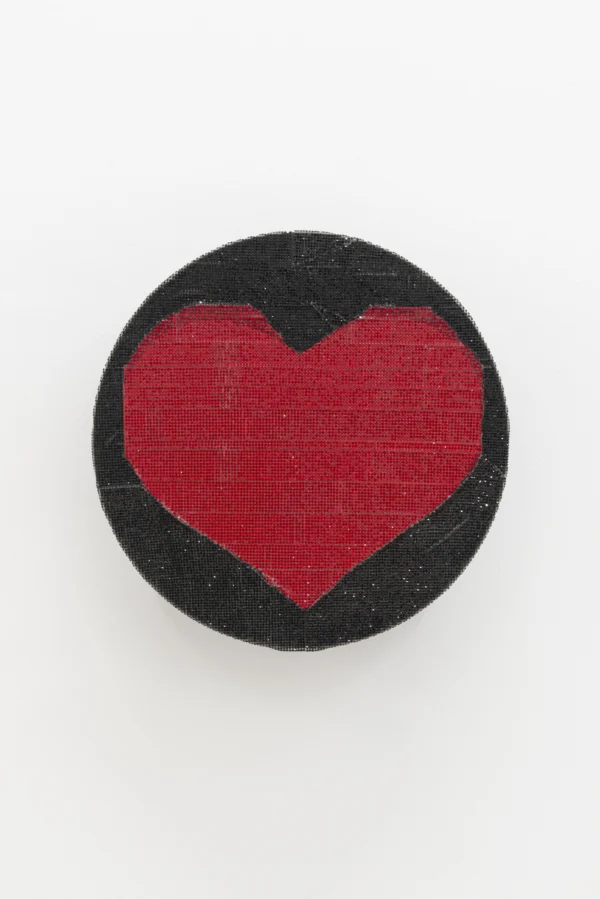
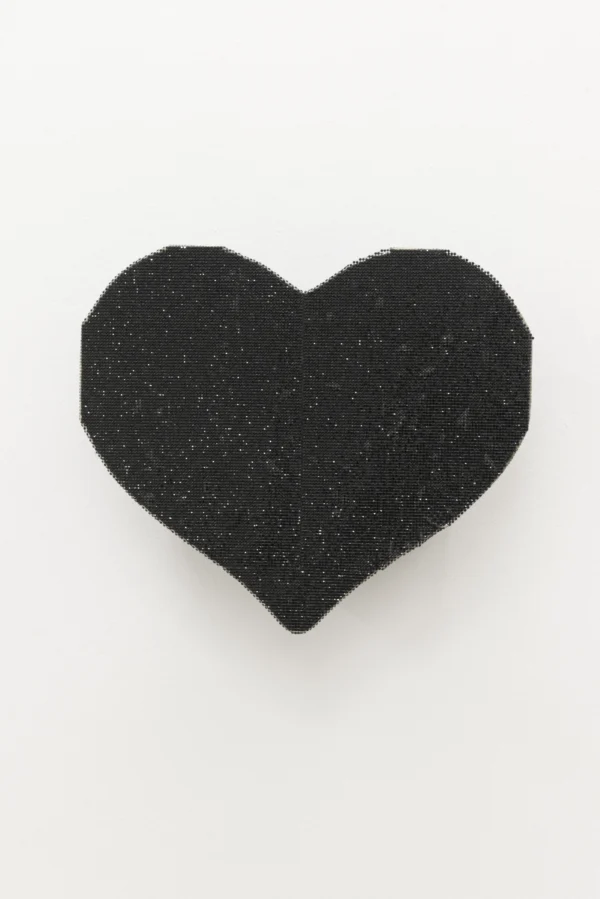
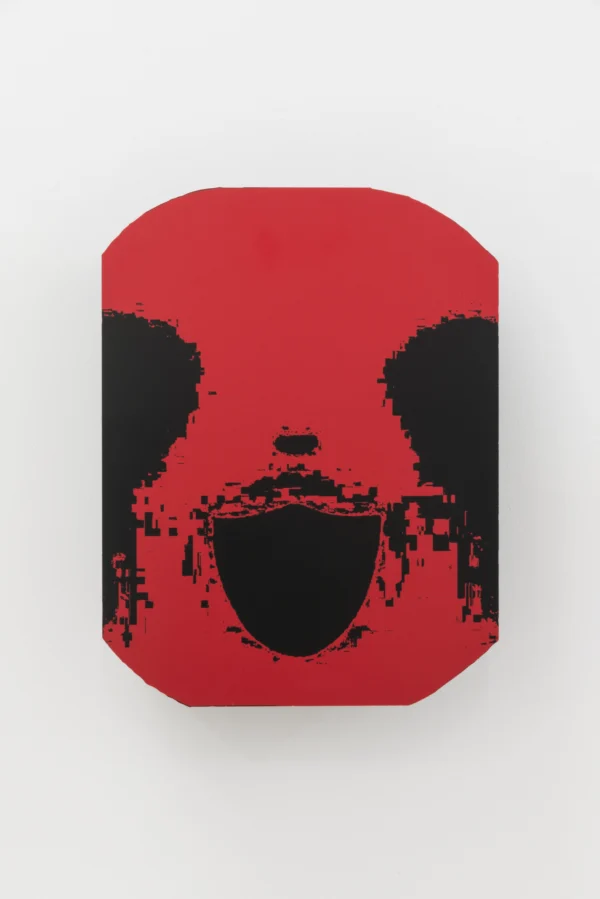
https://baleno.international/white-sands
Exhibition text: https: //baleno.international/wp-content/uploads/2024/01/Exhibition-Text_White-Sands-ATS-3-2.pdf
© Luana Rigolli